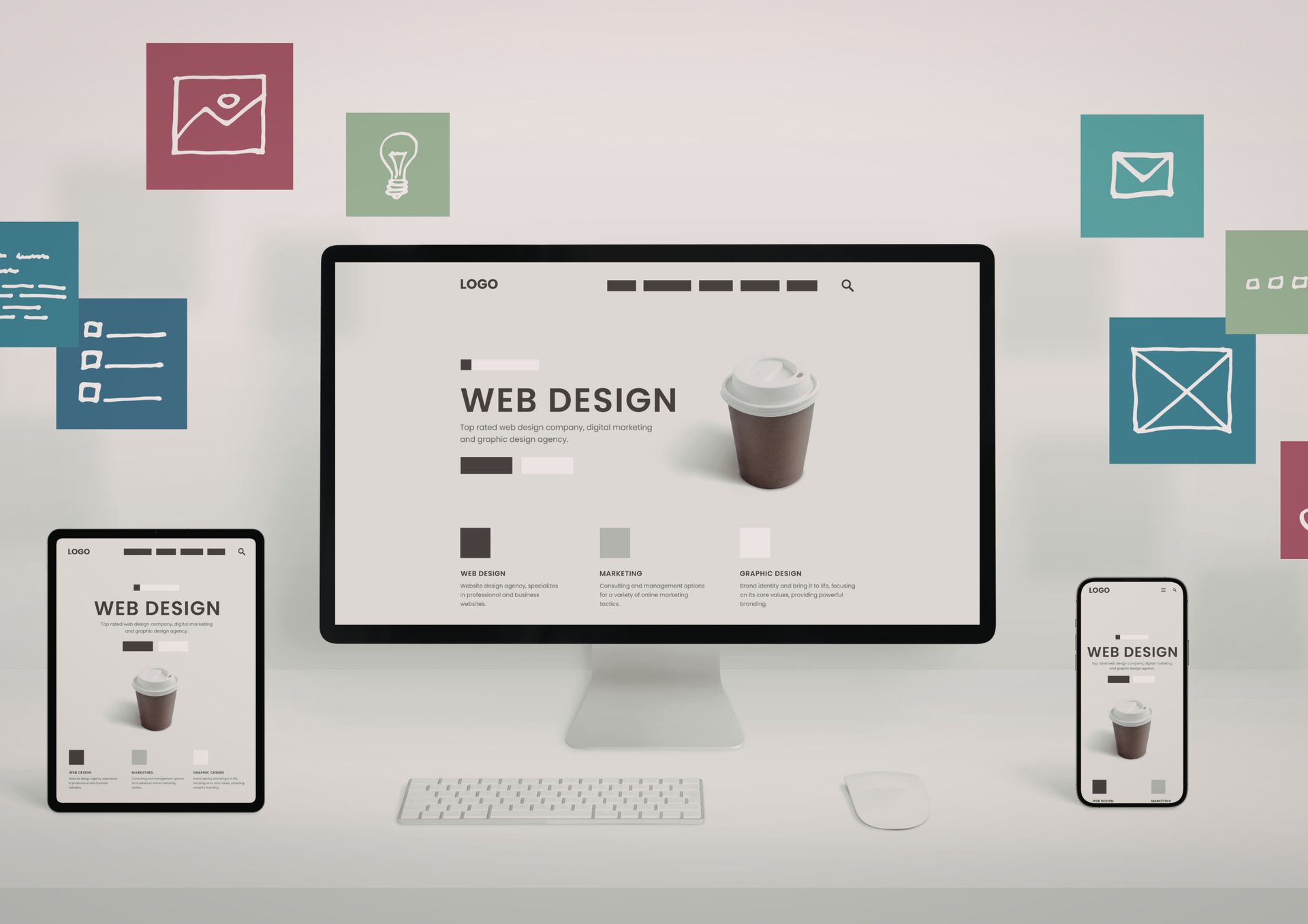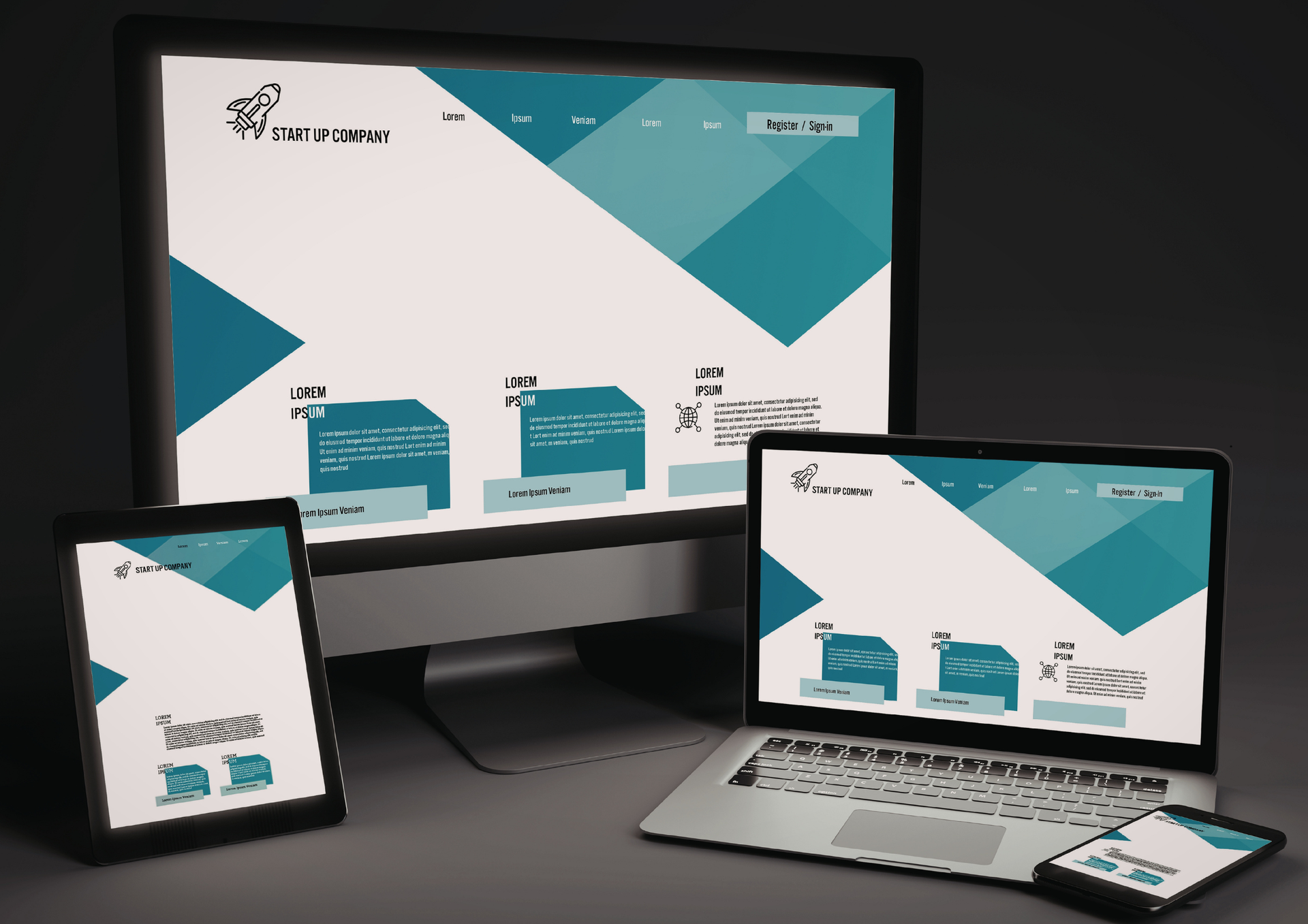

Mobile browsing now represents a significant share of online traffic. Customers increasingly search, browse, and make purchasing decisions through smartphones and tablets rather than desktop computers. For homeware brands, health and wellness businesses, and retail companies in London, mobile accessibility has become essential rather than optional.
Strategic Web development ensures that websites remain easy to access, navigate, and interact with across all screen sizes. A poorly optimised mobile experience can reduce engagement, increase bounce rates, and limit conversions, even when the products or services themselves are strong.
This article outlines five principles for improving mobile site access and usability.
Prioritising Responsive Layouts
Responsive layouts allow websites to adapt automatically to different screen sizes. Rather than shrinking a desktop layout onto a mobile device, responsive design restructures content to improve readability and interaction.
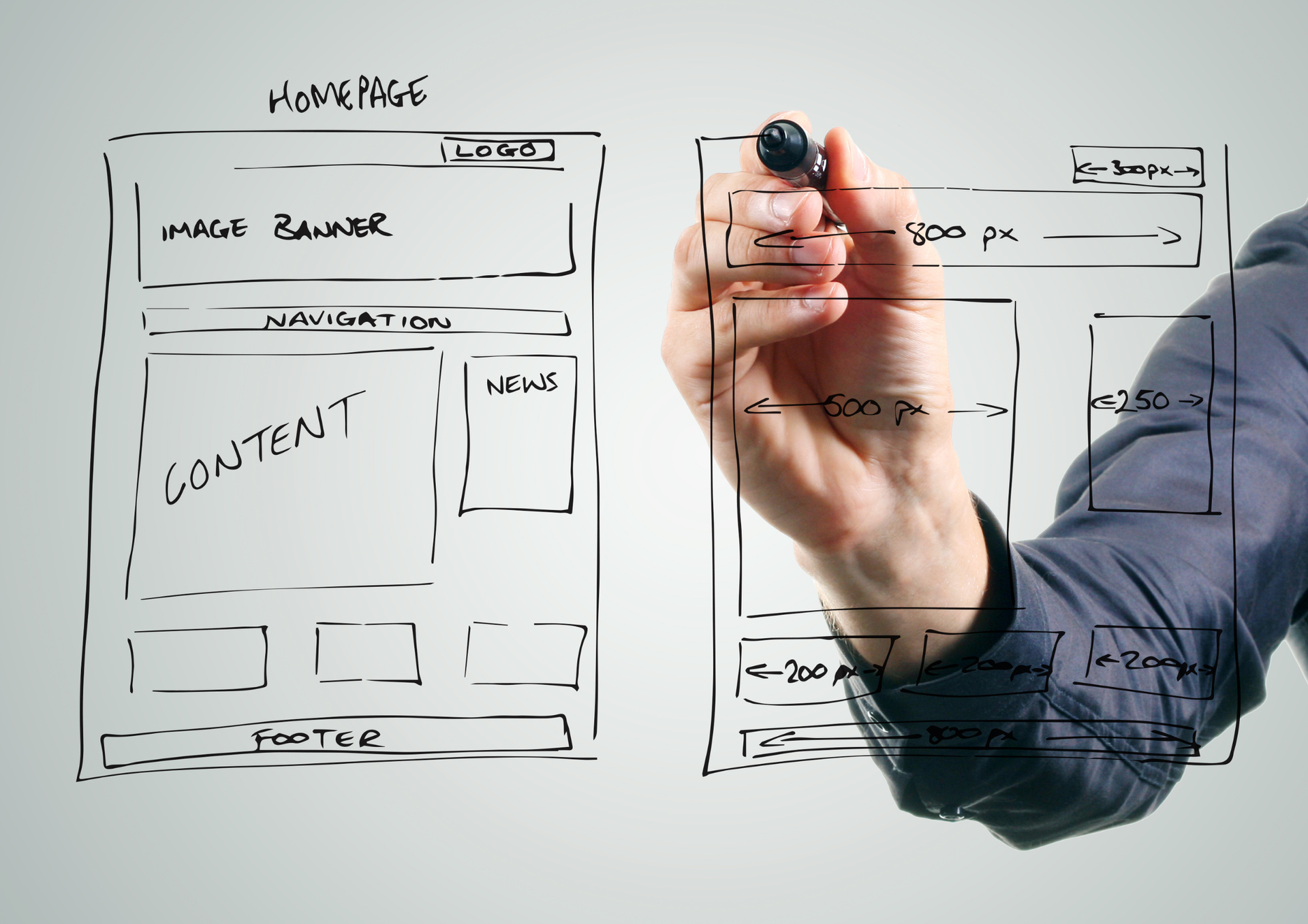
Clear spacing, scalable images, and simplified navigation help users browse comfortably on smaller screens. Buttons and forms should also remain easy to interact with using touch controls. Thoughtful website development ensures responsive behaviour is integrated from the beginning rather than added later as a workaround.
Improving Mobile Navigation and User Flow
Mobile users often expect quick access to information. Complex menus or cluttered page structures can create frustration and increase abandonment rates.
Clear navigation patterns help visitors move efficiently between pages, locate products or services, and complete actions with minimal effort. Sticky menus, streamlined layouts, and visible calls to action all contribute to smoother mobile journeys.
Businesses working with a website development company often focus on simplifying user flow to improve engagement and reduce friction on mobile devices.
Optimising Performance for Mobile Devices
Improving Mobile Performance and Accessibility
Mobile users expect websites to load quickly and function smoothly, even when browsing on slower connections or while multitasking.
Performance Challenges
- Large files can slow loading times and reduce responsiveness.
- Inefficient scripts may create delays during page interaction.
- Excessive animations can negatively affect accessibility and usability.
Optimisation Techniques
- Optimised images help reduce loading times across mobile devices.
- Compressed resources improve speed and efficiency.
- Efficient coding practices support smoother performance on varying mobile connections.
User Experience Benefits
- Faster loading encourages stronger engagement and longer visits.
- Reliable performance reduces the likelihood of users leaving before the page fully loads.
- Smooth mobile access is especially important for retail and service-based businesses where users may browse while travelling or multitasking.
Ensuring Accessibility Across Devices
Accessibility should remain consistent regardless of device type. Text should be readable without zooming, forms should function smoothly, and layouts should remain stable during interaction.
Many businesses searching for website developers are looking to improve accessibility after recognising that existing websites perform poorly on mobile platforms. A structured approach also benefits businesses working with a wordpress website designer, ensuring content management systems support consistent accessibility across different devices and screen sizes.
Supporting Long-Term Mobile Scalability
Mobile expectations continue to evolve. Websites must remain adaptable as new devices, browsers, and interaction patterns emerge. Scalable architecture allows businesses to introduce new features or redesign sections without disrupting the mobile experience.
This flexibility supports long-term performance and reduces the need for frequent redevelopment. Strategic Web development focuses on future usability as well as current functionality, ensuring websites remain effective as technology changes.
ETA Web Design specialises in building mobile-friendly websites designed around usability, performance, and scalability. We understand how mobile access influences customer engagement and long-term digital success.
Our approach combines strategic planning with practical web development, ensuring every project delivers clear structure, reliable performance, and adaptability across devices. By focusing on measurable results and long-term usability, we help businesses in London create websites that remain effective across any sector or screen size.
New Update on X:
Web development support for responsive and accessible websites.