
Building a professional website is an important investment for businesses that rely on their digital presence to attract customers, communicate value, and generate enquiries or sales. For homeware brands, health and wellness businesses, and retailers in London, the amount required for a new website can vary considerably depending on what the project needs to achieve.
The cost of web design is influenced by far more than the number of pages being created. Functionality, customisation, content requirements, integrations, scalability, and technical complexity can all affect the amount of work involved. A straightforward informational website will naturally have different requirements from an online shop with hundreds of products, customer accounts, and integrated business systems.
Understanding these variables makes it easier to compare proposals fairly and decide where investment will deliver the greatest long-term value. Below, we explore five of the most important factors businesses should consider when budgeting for a professional website.
Project Scope and the Size of the Website
One of the first factors affecting price is the overall scope of the project. A small business website containing a homepage, service information, an about page, and contact details requires a different level of planning from a large platform containing numerous categories, services, resources, and landing pages.
Page count alone does not determine complexity. Two websites containing the same number of pages could require very different amounts of work. A standard informational page might use an established structure, whereas a detailed service page could require custom layouts, interactive sections, forms, or unique content presentation.
Businesses should therefore begin by defining what the website needs to accomplish. Identifying essential pages and functions helps prevent unnecessary features from increasing the project scope while ensuring important requirements are not overlooked.
The overall website design cost can also be influenced by how much customisation each page requires. Reusable layouts can make larger websites more efficient to create, while individually designed pages typically require additional planning, testing, and development time.
For businesses in London, it is particularly useful to consider future requirements alongside immediate ones. A retailer may initially require only a modest product range but expect to introduce additional categories later. Similarly, a wellness business might begin with basic service pages before adding online bookings, memberships, or educational resources.
Planning these possibilities early can make expansion considerably easier. Instead of rebuilding major sections later, the original structure can provide space for the business to develop naturally.
Custom Design, Branding, and User Experience
The level of visual customisation required can have a substantial impact on the project. Template-led websites can often be produced more efficiently because many structural decisions have already been made. Bespoke projects require more detailed consideration of layout, typography, imagery, branding, interactions, and user journeys.
Customisation can be particularly valuable for businesses operating in competitive markets. Homeware brands may require strong visual presentation to showcase collections effectively, while health and wellness businesses often need calm, accessible layouts that communicate credibility. Retail businesses may need to balance product discovery with promotions and straightforward purchasing journeys.
User experience is equally important. Visitors should be able to understand the business quickly, locate relevant information, and identify the next step without unnecessary effort. Achieving this requires careful decisions about navigation, hierarchy, spacing, calls to action, and mobile behaviour.
Brand assets also influence the work involved. A business with established guidelines, logos, photography, and typography can provide a clear visual direction. A company without these resources may require additional creative work before individual pages can be finalised.
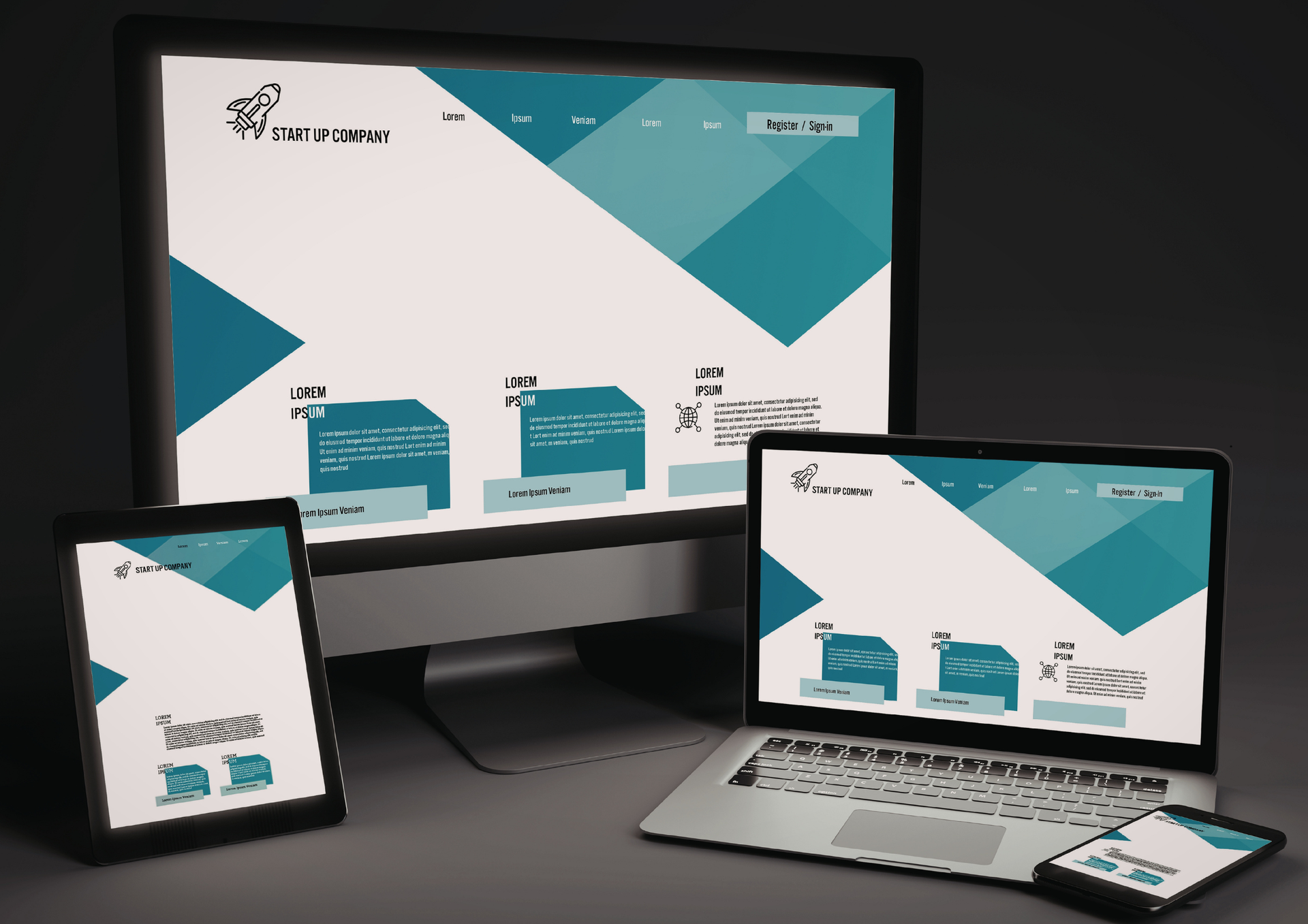
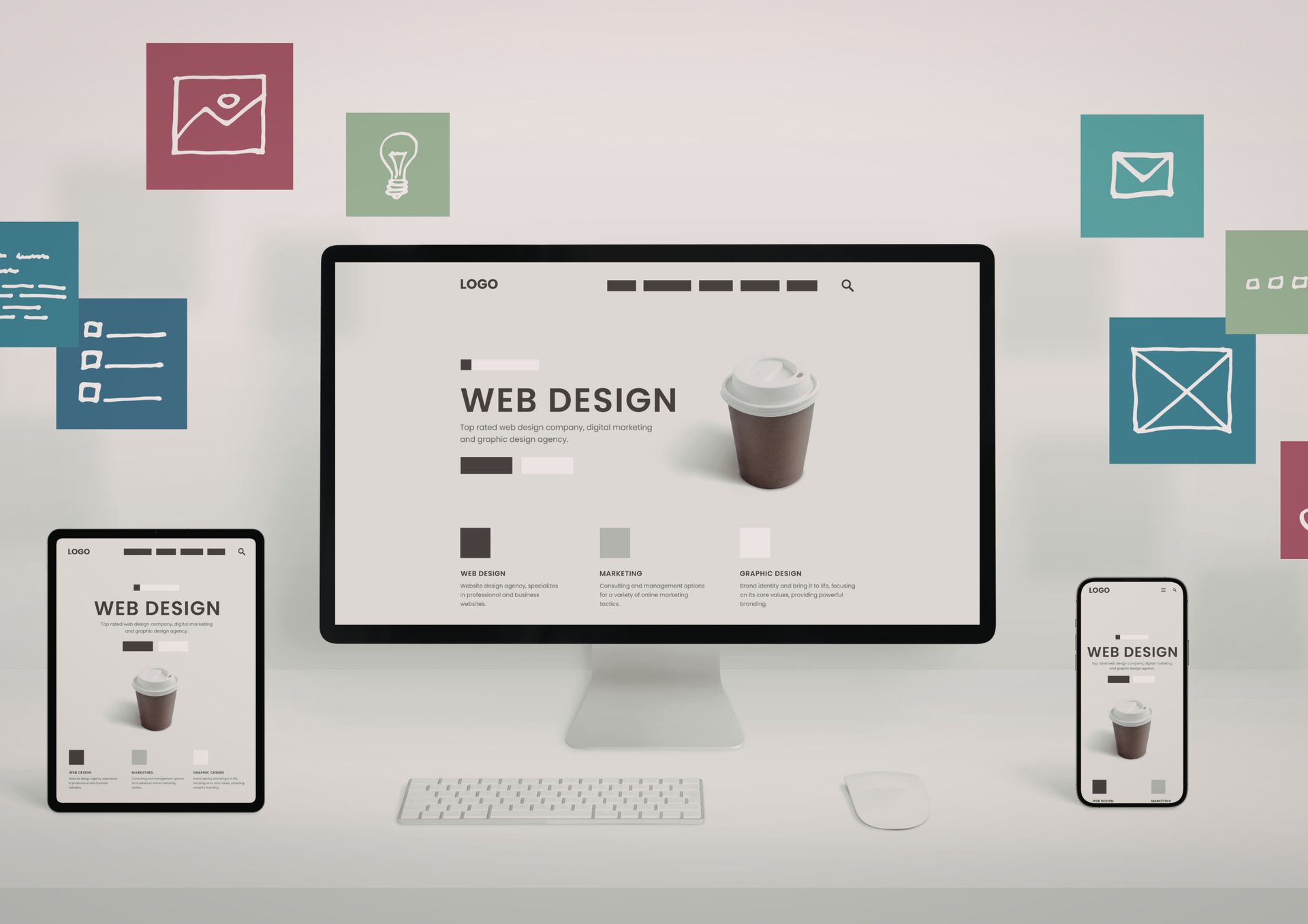
Responsive behaviour must also be considered. A professional site should not simply shrink to fit a smaller screen. Navigation, content, imagery, buttons, forms, and interactive features need to remain practical on mobiles and tablets.
The
cost of web design therefore reflects both what users see and the strategic thinking behind their experience. Investing in thoughtful presentation can create a stronger foundation for credibility and engagement rather than simply producing an attractive collection of pages.
Functionality and Technical Requirements
Functionality is another major factor influencing project budgets. A basic website may require little more than navigation, contact forms, and straightforward content management. More advanced projects can involve booking systems, customer accounts, product filtering, payment functionality, membership areas, dashboards, or automated processes.
Every additional feature needs to be planned carefully. Developers must consider how it works, what information it collects, how users interact with it, and how it connects with other parts of the website. Testing is also necessary across different devices and scenarios.
Third-party integrations can add further complexity. A business may want its website connected to a customer relationship management platform, email marketing service, stock management system, payment provider, appointment tool, or other software. Some integrations are relatively straightforward, while others require custom technical work.
The website development costs associated with these features depend on complexity rather than simply the number of functions requested. A seemingly simple feature can require considerable work if it involves multiple systems, conditional behaviour, or specialised data handling.
E-commerce businesses face additional considerations. Product variations, search tools, stock information, delivery options, checkout journeys, promotional functionality, and account management all need to work together reliably. A homeware retailer with a large catalogue will therefore have very different technical requirements from a business that only needs customers to submit an enquiry form.
Businesses should distinguish between essential functionality and features that can be introduced later. A phased approach can sometimes provide a more practical way to manage budgets while maintaining a clear path towards future capabilities.
Content, SEO, and Performance Requirements
A website cannot perform effectively without suitable content. Written copy, photography, product information, graphics, videos, and downloadable resources all require preparation. The amount of content supplied by the business compared with the amount that must be created professionally can therefore influence the overall project.
Content migration is another consideration for businesses replacing an existing website. Pages, articles, images, products, and other information may need to be transferred, reviewed, reorganised, or rewritten. Larger websites can require substantial preparation to ensure useful existing material is preserved correctly.
Search visibility should also be considered during planning. Logical page hierarchy, appropriate headings, internal links, metadata, mobile usability, and crawlable content provide a stronger technical foundation for future search activity. Addressing these elements during the build is generally more efficient than trying to correct structural problems afterwards.
Performance requirements can affect technical decisions as well. Large images, videos, animations, scripts, and third-party tools may slow pages if they are not handled appropriately. Optimisation requires careful balancing between visual presentation and efficient loading.
When calculating the cost to build a website, businesses should therefore consider the preparation and optimisation required around the core pages rather than viewing the project purely as a visual exercise.
Accessibility is another valuable consideration. Clear typography, logical structure, readable contrast, keyboard-friendly interactions, and appropriately labelled elements can make the experience more usable for a broader audience.
These elements may not always be immediately visible when comparing quotations, but they can have a substantial influence on the quality, usability, and longevity of the finished platform.
Scalability, Maintenance, and Long-Term Value
The initial launch should not be treated as the end of a website's useful life. Businesses change, products evolve, services expand, and customer expectations develop. A platform that cannot adapt can become expensive to replace.
Scalable architecture allows new pages, features, and integrations to be introduced without unnecessarily disrupting existing content. For a London business planning to expand into additional markets or locations, this flexibility can be particularly important.
Content management requirements should also be considered. Businesses that regularly publish articles, update products, change services, or create landing pages need an administrative system that makes routine work manageable. An unnecessarily complicated system can increase dependence on technical support for simple changes.
Maintenance requirements vary considerably between projects. Updates, backups, security checks, performance monitoring, and technical support may be required after launch. Businesses should establish what is included initially and what will involve ongoing charges.
When comparing website design prices, it is useful to look beyond the launch figure and consider the expected lifespan of the solution. A cheaper project that requires extensive redevelopment after a short period may ultimately represent poorer value than a scalable platform with a higher initial investment.
Long-term value also depends on how effectively the website contributes to business objectives. A site that supports enquiries, sales, customer communication, and operational efficiency has the potential to generate value continuously.
This is why the cheapest quotation should not automatically be considered the best option. Businesses should compare scope, quality, technical capability, support, and scalability alongside price to understand what they are actually receiving.
There is no single price that accurately represents every business website. Project size, visual customisation, technical functionality, content requirements, integrations, performance expectations, and future scalability all affect the investment required.
Understanding the cost of web design in this broader context allows businesses to budget more confidently and compare proposals on genuine value rather than price alone. For homeware brands, health and wellness companies, and retailers in London, the priority should be choosing a solution that meets current needs while providing sufficient flexibility for future growth.
Careful planning at the beginning can also prevent unnecessary expenditure later. When objectives, functionality, content, and expansion plans are clearly defined, businesses are better positioned to invest in a website that remains useful and commercially relevant over the long term.
ETA Web Design works with businesses seeking professional, scalable, and results-driven digital solutions. We take time to understand the purpose of each project, the audience it needs to serve, and how the website may need to evolve as the organisation grows.
Our approach prioritises clear planning, practical functionality, user experience, and long-term value. Whether a business requires a straightforward professional presence or a more complex platform, we focus on creating a solution that reflects genuine requirements rather than adding unnecessary features.
For businesses in London and beyond, we aim to make the process clear and manageable from initial planning through to launch, providing a professional website that supports both immediate objectives and future development.
Check out our latest X update exploring the key factors that influence the
cost of web design for businesses!