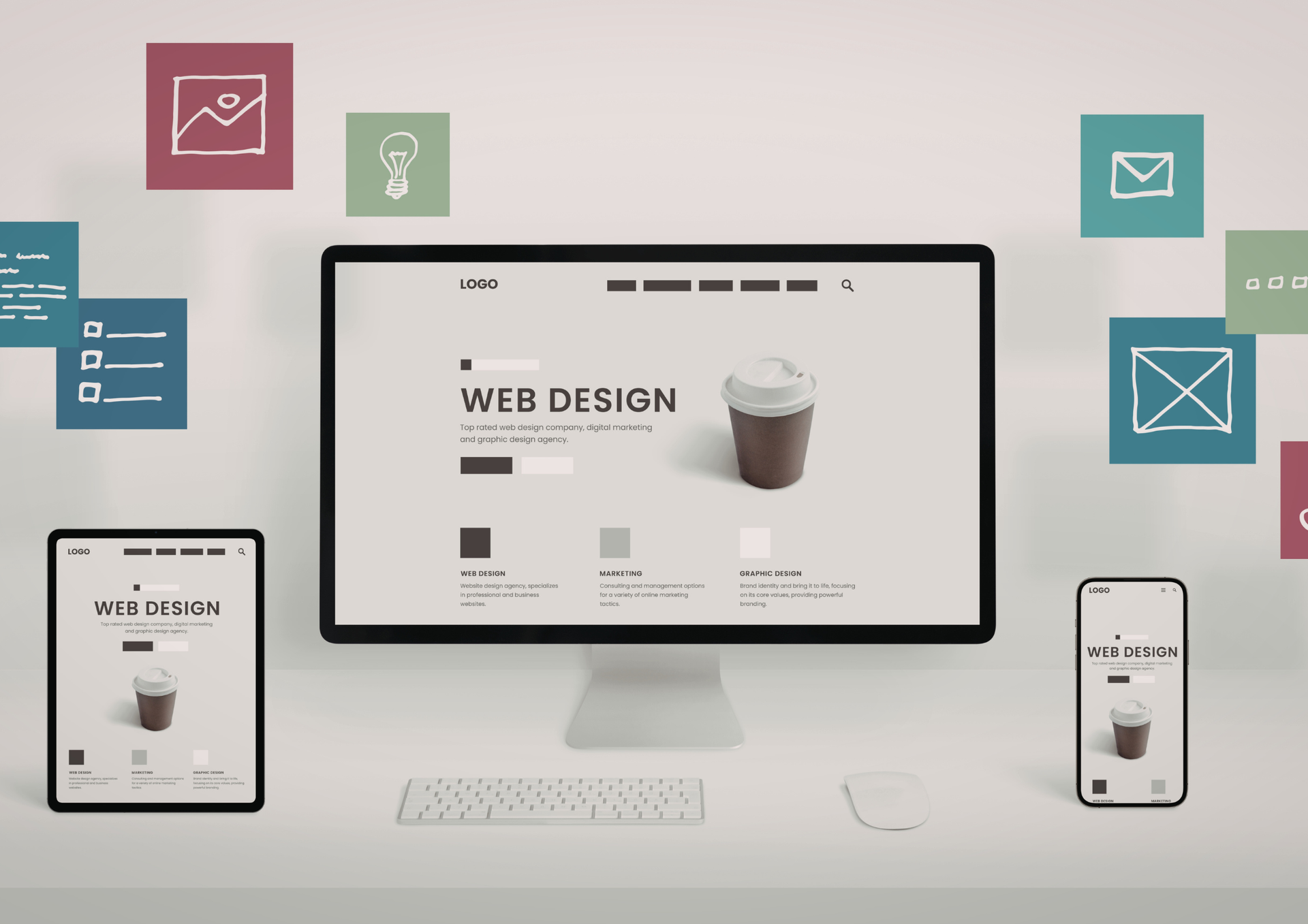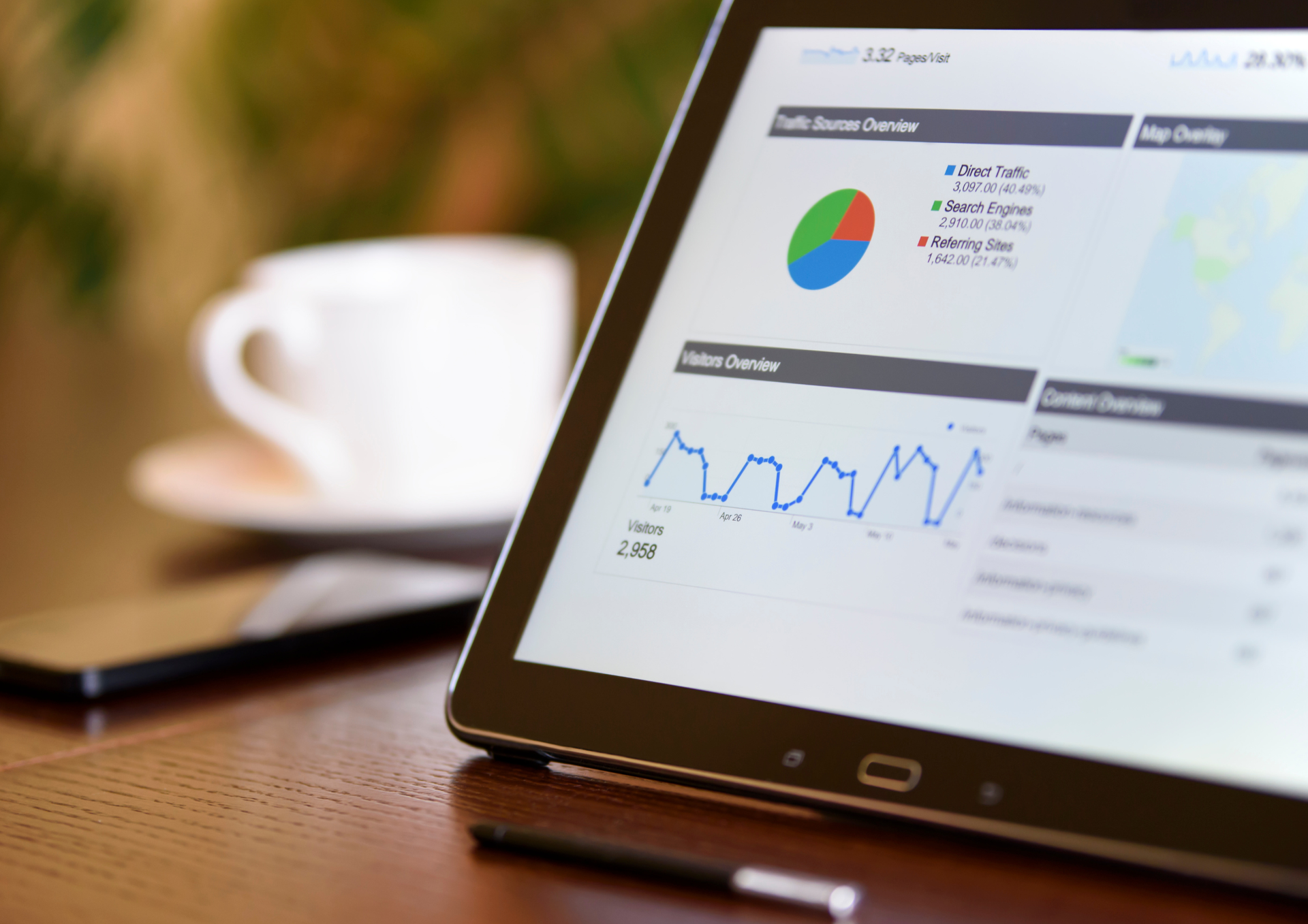

A strong online presence has become essential for businesses that want to establish credibility, reach new audiences, and maintain meaningful relationships with customers. Whether a company operates in homeware, health and wellness, or retail, its website often serves as the first point of contact between the brand and potential customers.
For businesses in London and other competitive markets, having an attractive website is only part of the process. Customers expect clear information, straightforward navigation, reliable performance, and an experience that makes interacting with the business convenient. Meeting these expectations requires thoughtful planning and a practical understanding of how people behave online.
Professional web designers play an important role in connecting business objectives with customer expectations. Their responsibilities extend beyond choosing colours, images, and layouts. They consider how visitors discover information, move between pages, understand services, and complete important actions.
A successful website should also support future business development. As products expand, services change, or customer demand increases, the platform must remain adaptable without sacrificing usability.
For growing businesses and entrepreneurs, understanding the role of digital professionals can make it easier to plan a website that delivers lasting value.
Establishing a Professional and Recognisable Brand Identity
A website communicates far more than basic business information. Its appearance, structure, and messaging influence how visitors perceive the organisation before making an enquiry or purchasing a product.
For new businesses, this first impression can be particularly important. Customers may have limited familiarity with the brand, meaning the website must communicate professionalism, relevance, and credibility through its presentation.
Consistent colours, typography, imagery, and content help establish a recognisable identity. When these elements reflect the organisation's wider branding, visitors are more likely to understand what the business represents.
Professional website design brings these elements together into a cohesive digital experience. Rather than treating individual pages as separate pieces of content, a coordinated approach ensures that the entire platform communicates a consistent message.
For homeware brands, visual presentation can help customers understand product quality, style, and suitability. Clear photography, organised collections, and informative descriptions make it easier to explore different options.
Health and wellness businesses may place greater emphasis on reassurance, accessibility, and clear explanations. Visitors often want to understand services, professional backgrounds, appointment processes, and practical information before making contact.
Retail businesses benefit from recognisable branding that remains consistent throughout product categories, promotional pages, and checkout journeys.
Although these sectors have different requirements, several principles remain important:
- Consistent branding across all pages and devices.
- Clear explanations of products, services, and business values.
- Professional imagery that supports rather than distracts from content.
- Readable typography and balanced spacing.
- Accessible contact information and straightforward calls to action.
A strong identity also supports marketing beyond the website. Social media profiles, email campaigns, online advertisements, and printed materials can all reinforce the same visual and written message.
Businesses should review their branding periodically as their organisation develops. However, maintaining recognisable elements during updates can help preserve familiarity among existing customers. Ultimately, a professional online identity should reflect the business accurately while giving visitors a clear reason to explore further.
Creating User-Friendly Navigation and Customer Experiences
A visually appealing website cannot deliver its full value if visitors struggle to find information. Navigation, content organisation, and accessibility all influence whether customers continue exploring or leave the platform.
The customer journey should feel straightforward from the moment someone arrives. Visitors need to understand where they are, what information is available, and how to complete their intended action.
Experienced web designers consider these requirements when planning page structures and user journeys. Their work helps connect visual presentation with practical functionality, ensuring the website remains useful rather than simply decorative.
Several approaches can improve navigation and usability:
- Clear menu structures: Organise important pages into logical categories so visitors can find information without unnecessary searching.
- Consistent page layouts: Maintain familiar headings, navigation elements, and content patterns throughout the website.
- Mobile-friendly interfaces: Ensure menus, buttons, and forms work comfortably on smartphones and tablets.
- Readable content: Use descriptive headings, manageable paragraphs, and appropriate spacing to make information easier to understand.
- Accessible interactions: Provide suitable colour contrast, keyboard navigation, and clearly labelled controls where appropriate.
- Helpful internal links: Connect related products, services, and resources so visitors can continue exploring relevant information.
- Straightforward contact options: Make enquiry forms, booking links, and contact details easy to locate.
Businesses sometimes begin their search for support using terms such as website designer near me, particularly when they want to discuss practical requirements with someone familiar with their market. However, relevant experience, communication, and an understanding of business objectives are equally important when selecting professional assistance.
For homeware retailers, effective navigation might involve organising products by room, material, or style. Customers should be able to move between categories and compare options without losing their place.
Health and wellness organisations may need clear pathways between service information, frequently asked questions, practitioner details, and appointment enquiries.
Retail businesses often require filtering options, product search functionality, and intuitive purchasing journeys that minimise unnecessary steps.
Testing these experiences across different devices helps identify problems that may not be immediately obvious during the planning stage.
A website should also accommodate customers with different levels of technical confidence. Straightforward language, familiar interactions, and predictable navigation make the platform easier to use for a wider audience. By prioritising usability, businesses create a more welcoming environment that encourages visitors to explore their offerings with confidence.
Supporting Technical Performance and Long-Term Reliability
A strong online presence depends on more than presentation and navigation. Behind every functional website is a technical structure responsible for delivering content, processing interactions, and maintaining consistent performance.
Slow loading times, broken features, and unreliable forms can interrupt the customer journey. Even when the visual appearance is professional, these problems may discourage visitors from continuing. Technical planning helps reduce such difficulties by considering the requirements of the website before implementation begins.
Professional website development supports this process through efficient coding, suitable content management systems, responsive functionality, and carefully selected hosting arrangements. For growing businesses, technical reliability is particularly important because website requirements rarely remain unchanged.
A small retail company might initially need only a limited product catalogue and basic contact information. As the organisation expands, it may introduce additional categories, payment options, customer accounts, or integrations with stock management systems.
Similarly, a wellness business might begin with informational pages before adding appointment scheduling, online consultations, or customer resources.
These developments are easier to manage when the underlying platform has been planned with flexibility in mind. Website performance also deserves ongoing attention. Large image files, excessive scripts, outdated extensions, and poorly configured hosting can affect loading speed.
Practical improvements may include compressing images, reducing unnecessary code, monitoring server performance, and reviewing third-party integrations.
Security and maintenance are equally important. Software updates, appropriate access controls, secure connections, and reliable backup arrangements help protect the platform and support business continuity.
For businesses serving customers across London or wider markets, performance should remain consistent across different devices and connection speeds.
Testing is therefore an essential part of maintaining reliability. Important functions such as contact forms, product searches, navigation menus, and checkout processes should be checked regularly.
Businesses should also understand that technical quality is not achieved through a single launch. It requires periodic reviews as customer expectations, software, and business requirements evolve. A dependable technical foundation makes future improvements more manageable while reducing the likelihood of avoidable disruption.
Strengthening Online Visibility and Customer Engagement
A professional website should help the right people discover a business and understand its offerings. Strong visual presentation and technical reliability are valuable, but they must also support visibility and meaningful customer interaction.
Search engines, social media platforms, online directories, and digital advertising can all introduce potential customers to a website. Once visitors arrive, the content and structure should help them find relevant information.
Businesses considering the best website builders often compare ease of use, available features, and flexibility. These considerations matter, but the platform alone does not determine whether a business develops a successful online presence.
Several practical approaches can support visibility and engagement:
- Organised content: Create dedicated pages for important products, services, and customer information.
- Descriptive page headings: Use clear titles that explain the purpose of each page.
- Relevant search content: Address genuine customer questions using natural, informative language.
- Mobile accessibility: Ensure visitors can browse comfortably across different screen sizes.
- Clear calls to action: Encourage appropriate next steps, such as requesting a quotation, booking an appointment, or exploring products.
- Internal linking: Connect useful pages to support navigation and help search engines understand the site's structure.
- Performance monitoring: Review visitor behaviour and identify opportunities to improve important pages.
For homeware businesses, informative buying guides can help customers compare materials, dimensions, and product features before purchasing.
Health and wellness organisations can provide practical explanations of available services, appointment procedures, and commonly asked questions.
Retail companies may benefit from detailed product information, delivery guidance, and clear purchasing instructions. These resources help visitors make informed decisions while demonstrating that the business understands their needs.
Search visibility also depends on factors beyond the website itself, including competition, content relevance, and the quality of information available elsewhere online.
For this reason, businesses should avoid treating search rankings as guaranteed outcomes. A more sustainable approach focuses on creating genuinely useful content and maintaining a technically accessible platform. Engagement should also be measured according to business objectives rather than page views alone.
A visitor who quickly finds a telephone number and makes an enquiry may represent a successful outcome, even if they spend relatively little time browsing.
Likewise, a customer exploring several product categories may require a longer journey before making a purchase. Understanding these differences helps businesses evaluate performance more meaningfully.
By combining useful information with clear pathways, organisations can develop a digital presence that supports both discovery and customer action.
Planning for Business Growth and Ongoing Website Improvement
A website should be capable of adapting as the business develops. New services, expanding product ranges, changing customer expectations, and additional marketing activities can all create requirements that were not present during the initial launch. Planning for these changes helps organisations avoid unnecessary rebuilding and makes ongoing maintenance more manageable.
Working with an experienced web design company can help businesses evaluate their immediate requirements alongside potential future developments. This includes considering how content will be managed, which features may eventually be required, and how the platform can remain organised as it expands.
For a growing homeware brand, future requirements might include additional product collections, improved filtering, customer reviews, or integrations with external sales channels.
Health and wellness organisations may need to introduce new services, practitioner profiles, educational resources, or appointment management features.
Retail businesses could require more advanced inventory management, promotional landing pages, or improved customer account functionality. The appropriate solutions depend on the organisation's priorities, available resources, and expected growth.
A scalable approach does not mean introducing every possible feature immediately. Unnecessary complexity can increase costs, complicate maintenance, and make the website harder to manage.
Instead, businesses should prioritise functionality that delivers practical value while keeping future expansion in mind. Regular performance reviews can help determine when improvements are needed. These reviews may consider visitor behaviour, enquiry quality, mobile usability, content accuracy, and technical reliability.
Customer feedback can also reveal problems that analytics alone may not explain. For example, visitors might struggle to understand a particular service description or find a specific product category. Addressing these issues gradually allows the platform to improve without requiring disruptive changes.
Content maintenance is another important consideration. Outdated product details, incorrect contact information, and broken links can reduce confidence and create unnecessary frustration.
Businesses should establish manageable processes for reviewing important pages and updating information when circumstances change.
The goal is not simply to maintain an attractive website, but to develop a dependable digital resource that continues supporting business objectives. When improvement becomes part of an ongoing strategy, the website can remain relevant and useful as the organisation grows.
Building a strong online presence requires a balanced approach to branding, usability, technical performance, visibility, and long-term planning. Each element contributes to how customers discover, understand, and interact with a business.
For homeware brands, health and wellness organisations, and retail companies in London and beyond, professional web designers help connect these elements into a consistent digital experience.
An effective website should communicate the organisation's identity clearly, provide useful information, and make important actions straightforward. It should also remain dependable across devices and adaptable as business requirements evolve.
However, a successful online presence is not established through appearance alone. Content quality, technical maintenance, customer understanding, and ongoing improvements all influence long-term performance.
Businesses that approach their websites as evolving digital assets are better positioned to respond to changing expectations and identify opportunities for growth.
By combining thoughtful planning with practical implementation, organisations can create websites that strengthen credibility, encourage meaningful engagement, and support sustainable business development.
ETA Web Design takes a structured and practical approach to creating professional websites that reflect the individual requirements of each business. We understand that a strong digital presence involves more than visual appearance, which is why we consider usability, content organisation, performance, and long-term flexibility throughout the planning process.
Our approach focuses on understanding how customers interact with a website and identifying the features that genuinely support business objectives. Whether a business is establishing its first online presence or improving an existing platform, we aim to create clear, reliable, and adaptable digital experiences.
We also recognise that businesses operate in different markets and face different challenges. A homeware retailer may prioritise product presentation, while a wellness organisation may require accessible service information and straightforward enquiry pathways.
By combining practical planning with careful implementation, we help businesses develop websites that support customer confidence, efficient navigation, and future growth. Our focus remains on creating sustainable digital solutions that deliver meaningful value across London and beyond.
Discover our latest X update on how
web designers build professional and impactful websites.