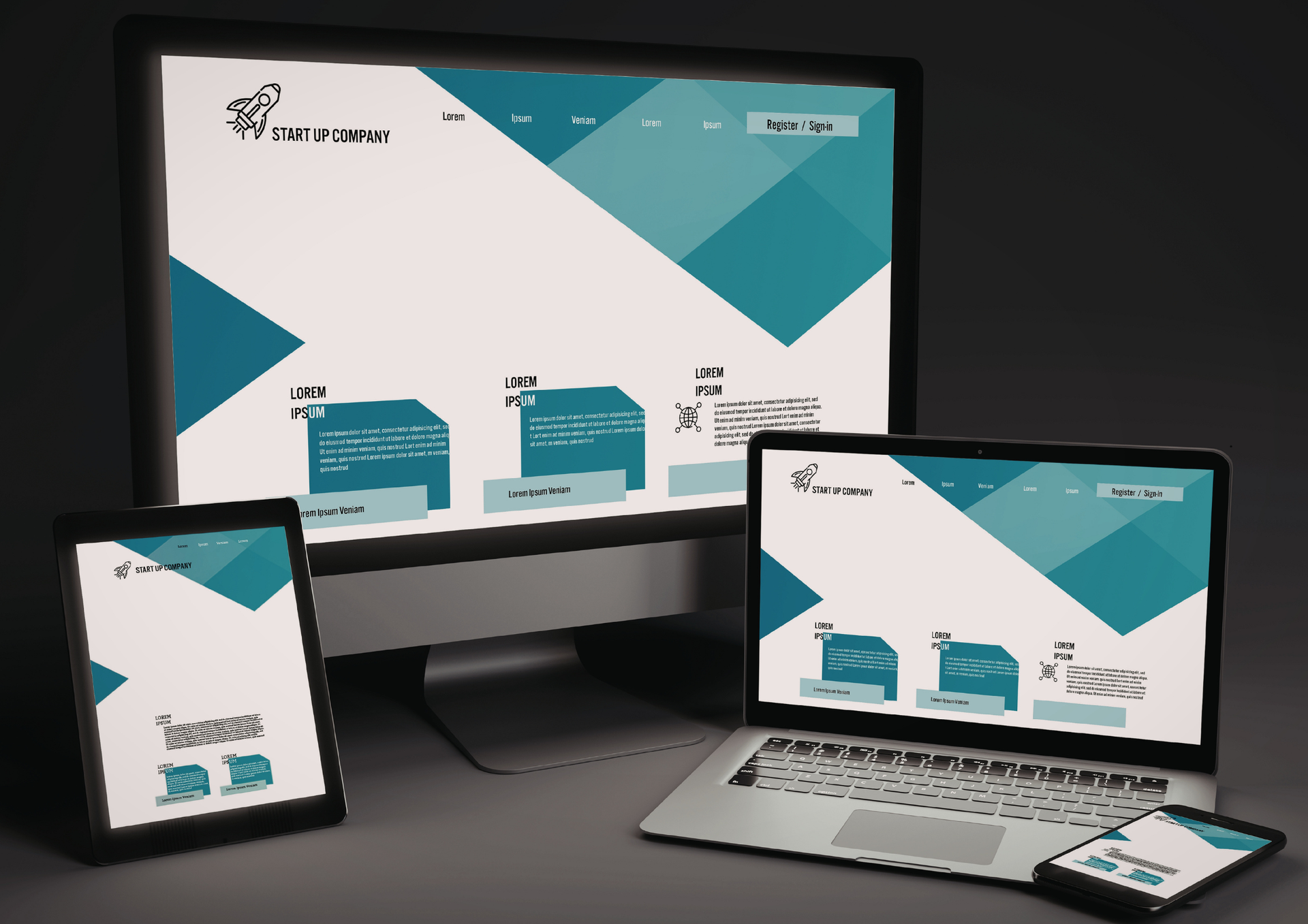

A business website should do more than provide information about products or services. It should help customers find what they need, support enquiries and purchases, and remain useful as the organisation develops. Achieving these objectives requires careful planning, practical functionality, and a structure that can adapt to changing requirements.
Website developers play an important role in creating digital platforms that support these goals. Their work involves understanding business requirements, organising information, implementing appropriate technology, and ensuring that different elements of a website work together effectively.
For homeware brands, health and wellness businesses, retailers, and growing organisations, a well-planned website can support daily operations while providing customers with a consistent experience. Whether a business operates in London or elsewhere, the same fundamental principles apply.
This article explores five ways professionally developed websites can support business growth, from establishing a reliable foundation to preparing for future expansion.
Building a Strong Foundation for Long-Term Growth
A successful website begins with a clear understanding of the business it represents. Before deciding on layouts, features, or technical requirements, it is important to establish what the website needs to achieve and how customers are expected to use it.
A homeware retailer may want visitors to browse collections, compare products, and complete purchases. A health and wellness business might prioritise appointment enquiries, service information, and accessible contact options. Another organisation may need a platform that generates qualified leads or supports communication with existing customers. These different objectives influence how a website should be structured.
An experienced web developer considers the relationship between business goals, customer requirements, and technical functionality. This helps establish a practical foundation rather than creating a website around features that may have little relevance to its intended purpose.
Understanding the Customer Journey
The customer journey describes the steps visitors take when interacting with a business online. Some users arrive with a clear intention to purchase, while others need information before deciding whether to make an enquiry. A website should accommodate these different behaviours through logical navigation, relevant content, and clearly presented actions.
For example, customers visiting a homeware website may want to explore products by category, material, or intended use. Visitors to a wellness website may need to understand the available services before choosing an appointment. When these journeys are considered during planning, the resulting website is more likely to provide an organised and accessible experience.
Creating a Flexible Technical Structure
A website should also be developed with future requirements in mind. A business may initially need only a small collection of service pages but later introduce additional locations, product categories, customer resources, or online booking facilities.
A flexible structure allows these changes to be introduced without unnecessarily disrupting existing content or functionality.
This does not mean every possible future feature must be built immediately. Instead, the initial platform should provide a sensible foundation for expansion.
Selecting Appropriate Technology
Different businesses require different technical solutions. The choice of content management system, e-commerce platform, hosting arrangement, and supporting software should reflect the organisation's actual requirements.
A small service-based business may benefit from a straightforward content management system, while a retailer with a substantial product catalogue may require more specialised functionality.
Selecting appropriate technology early in the project can make ongoing management more practical and reduce the likelihood of avoidable redevelopment. The objective is to establish a website that works effectively today while remaining adaptable as business requirements change.
Creating a User Experience That Supports Customer Engagement
A website may contain valuable information and useful functionality, but these elements are less effective when visitors struggle to navigate the platform. Clear navigation, readable content, responsive layouts, and predictable interactions all contribute to a positive user experience.
Businesses should consider how visitors move between pages, where important information appears, and whether common tasks can be completed without unnecessary difficulty. Website development should therefore address both technical functionality and the practical experience of using the finished platform.
Several principles help create a website that remains accessible and straightforward to use:
- Clear navigation: Organise pages into logical categories so visitors can find products, services, and supporting information without unnecessary searching.
- Consistent layouts: Maintain familiar design patterns across the website to help users understand where information and interactive elements are located.
- Mobile-friendly functionality: Ensure menus, forms, buttons, and other important features remain practical to use on smartphones and tablets.
- Readable content: Use clear headings, manageable paragraphs, and appropriate spacing to make information easier to understand.
- Accessible interactions: Consider keyboard navigation, descriptive labels, readable contrast, and other features that help people with different needs use the website.
- Straightforward contact options: Make it easy for visitors to find relevant contact details, submit enquiries, or access booking facilities.
- Helpful feedback: Provide clear confirmation when users submit forms, complete purchases, or encounter an error that requires attention.
These principles are particularly relevant to businesses that depend on online enquiries or transactions.A retailer, for example, benefits when customers can move smoothly from product discovery to checkout. A wellness provider may need visitors to understand service options and complete an appointment request without confusion.
Good usability also supports customers who are unfamiliar with the business. A consistent website can help them understand what is available and how to proceed.
As the organisation grows, maintaining this consistency becomes increasingly important. New pages, products, and features should follow established patterns so that expansion does not make the website more difficult to navigate.

Developing Features That Support Business Operations
A website can contribute to business growth by supporting activities that would otherwise require additional manual work. Depending on the organisation, this might involve managing appointments, processing orders, collecting enquiries, presenting product information, or connecting customers with relevant resources. The most useful functionality depends on the business model and the tasks customers need to complete.
Booking and Appointment Systems
For health and wellness businesses, online booking can provide customers with a convenient way to request or arrange appointments. A booking system may display available services, appointment durations, practitioner information, and available time slots.
However, the level of functionality should reflect the organisation's requirements. A business with a small number of appointments may only need a straightforward enquiry form, while a larger operation may benefit from a more detailed scheduling system. The appropriate solution should make the process manageable for both customers and staff.
E-Commerce Functionality
Retail and homeware businesses often require websites that support product discovery, purchasing, and order management. Product categories, filtering options, clear descriptions, and straightforward checkout processes can help customers make informed purchasing decisions.
Additional features may include stock information, delivery options, customer accounts, or product variations.
These functions should be introduced according to genuine operational needs rather than simply increasing the number of features available.
Customer Enquiry Management
Service-based businesses may benefit from structured enquiry forms that collect relevant information before a member of staff responds. For example, a form could ask customers about the service they require, their preferred contact method, and any important details relating to their enquiry. Collecting appropriate information can help businesses respond more efficiently while reducing the need for repeated clarification.
Forms should remain proportionate to the task. Requesting excessive information can make an otherwise simple enquiry unnecessarily complicated.
Connecting Existing Business Tools
Some organisations already use software to manage customer relationships, appointments, inventory, or internal communications. Connecting a website with these systems can reduce repetitive data entry and help information move between different parts of the business.
However, integrations require careful planning to ensure that information is transferred accurately and that the connected systems remain reliable. Businesses should establish which connections provide practical value before committing to additional technical work.
Supporting Future Functionality
A growing organisation may not need every feature at launch. For example, a retailer might initially focus on presenting its product range and processing orders before introducing customer accounts or more advanced stock-management functions.
A staged approach allows businesses to prioritise immediate requirements while considering how additional capabilities could be introduced later. This helps maintain a manageable project scope without overlooking opportunities for future development.
Maintaining Performance, Security, and Reliability
A website needs to remain dependable as visitor numbers, content, and functionality increase.
Slow-loading pages, unreliable forms, broken links, and technical errors can interrupt the customer journey and create additional administrative work.
Performance and reliability should therefore be considered throughout the project rather than treated as concerns that only arise after launch.
Businesses searching for website developers should consider how a prospective provider approaches ongoing performance, technical maintenance, and future changes, alongside the appearance of completed projects.
Several practical measures contribute to a reliable website:
- Efficient page loading: Optimise images, scripts, and other resources to avoid placing unnecessary demands on visitors' devices and internet connections.
- Responsive behaviour: Test important pages and features across different screen sizes to identify layout or interaction problems.
- Appropriate security measures: Use secure connections, sensible access controls, and properly maintained software to reduce avoidable vulnerabilities.
- Reliable forms and transactions: Check that enquiries, bookings, and purchases are processed correctly and that users receive suitable confirmation.
- Regular software updates: Keep the website's underlying systems and compatible components maintained to address technical issues and support continued operation.
- Backup arrangements: Establish appropriate backup procedures so that important website information can be restored if a technical problem occurs.
- Performance monitoring: Review loading behaviour, errors, and other relevant technical indicators to identify problems before they become more disruptive.
- Testing after changes: Check important functionality whenever new features, integrations, or substantial content updates are introduced.
These measures help create a more dependable experience for customers and reduce the likelihood that technical issues will interfere with everyday business activities.
Reliability becomes particularly important for organisations that use their websites to accept payments, manage appointments, or collect customer enquiries.
A technical problem affecting an informational page may cause inconvenience, while an issue with a checkout or booking process can directly interrupt an important business activity. For this reason, maintenance arrangements should reflect the role the website plays within the organisation.
Planning for Scalability and Measurable Business Outcomes
Business requirements rarely remain unchanged. A retailer may expand into new product categories, a wellness provider might introduce additional services, and an established organisation may begin serving customers in new locations. A website should be able to accommodate these developments without becoming increasingly difficult to manage.
Scalability involves more than supporting additional traffic. It also concerns how easily content, functionality, and business processes can be expanded while maintaining a consistent experience.
Organising Content for Expansion
A logical content structure makes it easier to introduce new pages without confusing visitors. For example, a business offering several services may benefit from clearly defined service categories and individual pages containing relevant information. As the organisation introduces additional offerings, new content can follow the same established structure.
Retail businesses can apply a similar approach to product categories, collections, and supporting information. This helps maintain consistency while allowing the website to develop alongside the business.
Supporting Additional Locations
Businesses expanding into new areas may need to introduce location-specific information, contact details, or service availability. A flexible website structure can accommodate these requirements while preserving a consistent presentation across the wider platform. Location pages should provide genuinely useful information rather than repeating identical content with only the place name changed.
Clear information about service availability, relevant contact options, and local requirements can help customers understand whether the business meets their needs.
Making Content Management Practical
A growing website often requires regular updates. Products may change, services may be introduced, staff information may need revising, and business announcements may need publishing.
An appropriate content management system can make these tasks easier for authorised staff to complete without requiring extensive technical assistance for every routine change. The level of editorial control should reflect the organisation's needs and the responsibilities of the people managing the website.
Clear templates and consistent content structures can also reduce the risk of pages becoming visually inconsistent as new material is introduced.
Using Performance Information to Guide Improvements
Website growth should be informed by evidence rather than assumptions alone. Businesses can review relevant information such as page engagement, enquiry submissions, completed purchases, and common points where users leave important processes. These measurements can help identify areas that may benefit from improvement.
For example, if visitors frequently reach a booking page but rarely complete the process, the business may need to investigate whether the form is confusing, too lengthy, or affected by technical difficulties.
Similarly, a retailer might review how customers navigate product categories to understand whether filtering and product information meet their needs.
The purpose of measurement is to identify practical opportunities for improvement rather than making changes simply because new technology is available.
Balancing Current Requirements With Future Plans
A professional website development company should help businesses distinguish between functionality needed immediately and features that may become relevant as the organisation expands.
This distinction is important because building every possible feature at the beginning can increase complexity and delay the launch of a useful platform. At the same time, overlooking realistic future requirements may create unnecessary limitations.
A balanced approach establishes a dependable foundation, prioritises essential functionality, and allows appropriate room for development.
This gives businesses greater flexibility to respond to changing customer expectations and operational requirements.
ETA Web Design provides practical support for businesses seeking professional websites that reflect their current requirements and future ambitions. We focus on understanding how each organisation operates, what its customers need, and which features will provide genuine value.
Our Website developers take a considered approach to planning, usability, functionality, and scalability. Rather than introducing unnecessary complexity, we aim to create clear and manageable solutions that support business objectives.
We recognise that homeware brands, health and wellness businesses, retailers, and other organisations have different priorities. Our approach considers these individual requirements while maintaining a focus on reliable performance and a consistent customer experience.
Check out our latest X update on how
website developers build professional websites to support business growth!