
For modern businesses, attracting visitors to a website is only half the challenge. The real test begins once users arrive. If pages load slowly, layouts feel confusing, or the journey lacks direction, potential customers leave without taking action. Performance-focused web page design addresses these issues by aligning technical efficiency with human behaviour, ensuring every element supports engagement, trust, and conversion. For homeware brands, health and wellness companies, and retail businesses, this approach is essential for turning interest into revenue.
Page Speed as the Foundation of User Retention
Page speed is often the first silent factor influencing whether a visitor stays or leaves. Slow-loading websites frustrate users, particularly on mobile devices where attention spans are shorter, and even small delays can lead to higher abandonment. Performance-focused web page design addresses this by using lightweight layouts, optimised image handling, and clean code structures to ensure pages load quickly and consistently across all devices.
Fast-loading pages create an immediate sense of professionalism and reliability. For retail and wellness brands, this is especially important, as users expect smooth, seamless browsing when exploring products or services. A quick-loading website reduces friction, encourages exploration, and sets the tone for a positive experience from the very first interaction.
Visual Hierarchy That Guides Decisions
A strong visual hierarchy helps users instinctively understand where to look and what to do next. Rather than overwhelming visitors with competing elements, performance-led layouts use spacing, typography, and contrast to create clear pathways through the content. This reduces cognitive load and prevents decision fatigue, both of which contribute heavily to drop-off.
For example, well-positioned calls to action, consistent section spacing, and readable font sizes allow users to scan information effortlessly. Businesses that work with a
website designer near me often expect more than aesthetic appeal; they want clarity that leads visitors toward meaningful actions. When users feel guided rather than confused, they are far more likely to stay, engage, and convert.

Mobile-First Design for Modern Browsing Habits
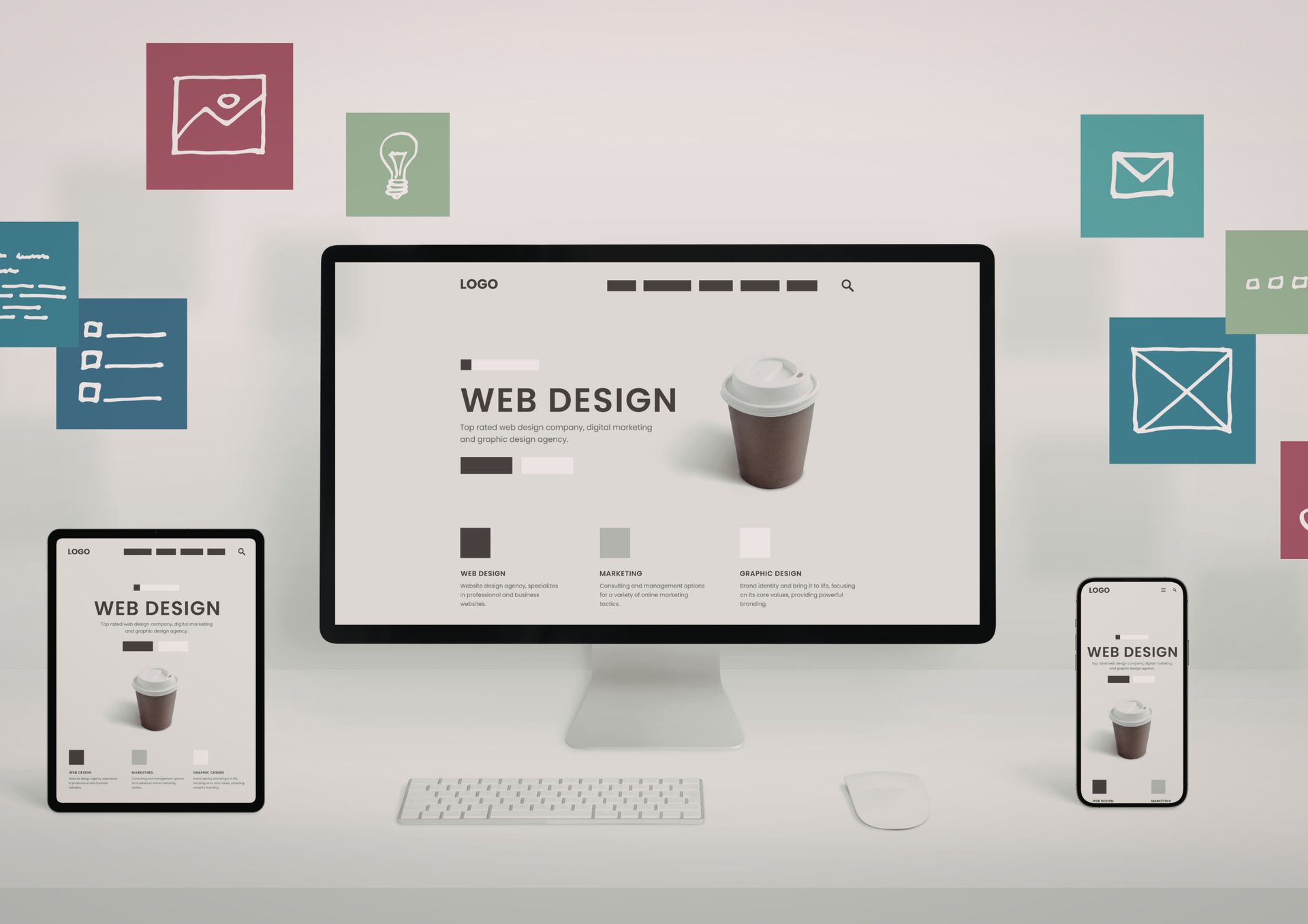
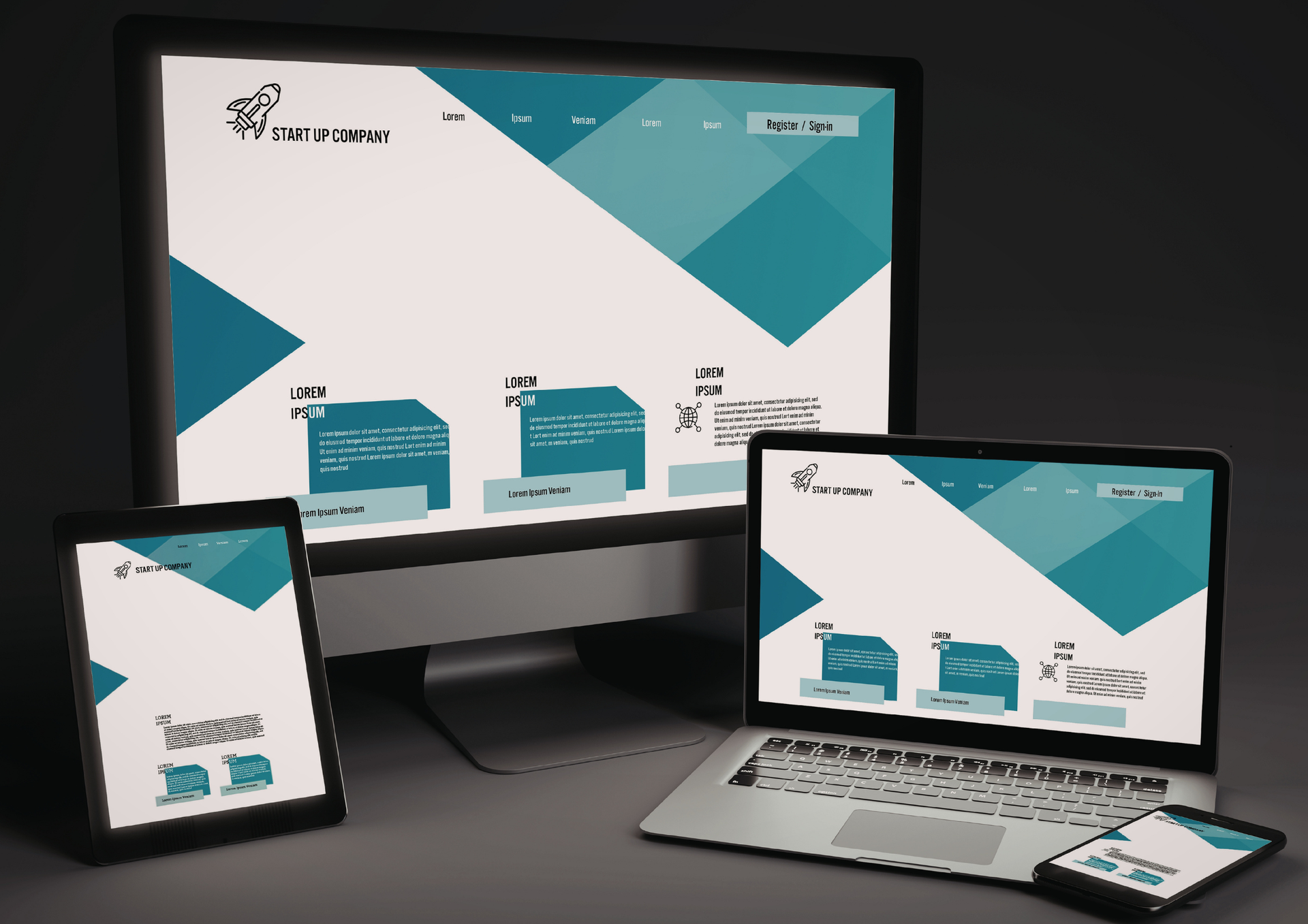
A mobile-first approach is essential for modern websites, as user expectations increasingly revolve around speed, ease of use, and seamless interaction across smaller screens. Performance-focused design ensures mobile visitors receive the same high-quality experience as desktop users.
- Mobile traffic now represents a significant proportion of website visits across almost every industry
- Treating mobile as the starting point ensures layouts are built around real user behaviour rather than adapted later
- Touch-friendly navigation improves usability and reduces frustration on smaller screens
- Simplified layouts help users find information quickly without unnecessary distractions
- Responsive content adapts smoothly to different screen sizes without compromising clarity or functionality
- This approach is particularly valuable for health and wellness businesses, where users often browse while commuting or between appointments
- Retail brands benefit from smoother mobile experiences that support impulse browsing and faster decision-making
- While many platforms promote themselves as the
best website builders, true performance comes from understanding user behaviour and designing experiences that feel effortless on any device
- Websites that work flawlessly on mobile experience lower bounce rates and longer engagement times
Content Structure That Builds Trust and Momentum
The way content is structured has a direct impact on user confidence. Long, unbroken blocks of text or poorly organised information can feel overwhelming and untrustworthy. Performance-focused design breaks content into logical sections, uses descriptive headings, and maintains consistent alignment to help users absorb information quickly.
For businesses evaluating a website design company, trust is built through clarity and transparency. Clear messaging, intuitive layouts, and consistent branding reassure users that they are dealing with a credible, professional organisation. When visitors feel informed rather than pressured, they are more inclined to continue exploring rather than exiting prematurely.
Conversion-Oriented Design Without Aggression
Reducing drop-off is not about pushing users toward immediate decisions but about removing barriers that prevent action. Performance-focused layouts support conversion through subtle cues such as well-timed prompts, intuitive forms, and frictionless navigation. Each interaction is designed to feel natural rather than forced.
When businesses aim to design a website that supports long-term growth, the focus shifts from aggressive sales tactics to sustainable user journeys. Thoughtful placement of contact options, clear value propositions, and predictable navigation patterns help users progress at their own pace. This respectful approach increases completion rates while preserving trust and brand credibility.
Reducing drop-off is rarely achieved through a single change. It is the result of many small, deliberate decisions that prioritise speed, clarity, and usability. Performance-focusedweb page design brings these elements together into a cohesive experience that supports both user needs and business goals. For brands operating in competitive markets, this approach transforms websites from passive brochures into active growth tools that encourage engagement, build confidence, and drive meaningful results.
ETA Web Design focuses on creating high-performing digital experiences that are built for scalability, clarity, and real-world results. We understand the pressures faced by growing businesses and design websites that support long-term objectives rather than short-term trends. Our approach balances technical performance with thoughtful user experience, ensuring every project delivers measurable value.
Don’t miss it on X:
Web page design strategies that keep visitors from leaving!